
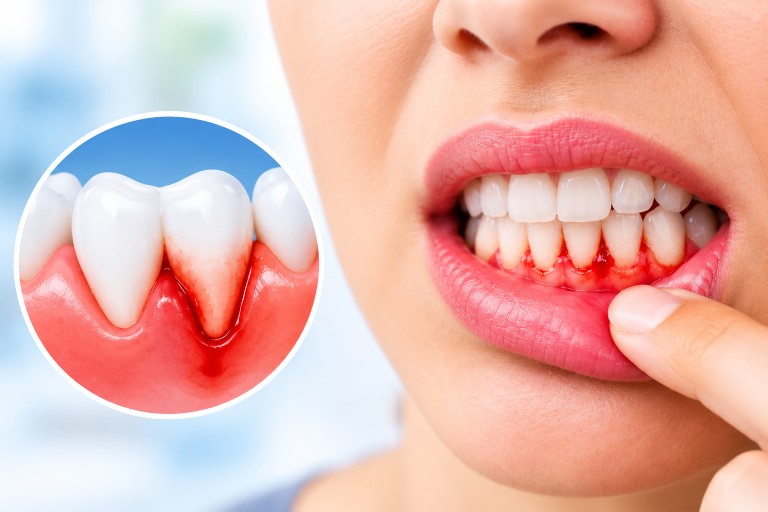
Bleeding gums are a common oral health concern that may occur while brushing, flossing, or eating hard foods. Although occasional bleeding can happen due to irritation, frequent bleeding may indicate gum inflammation or an underlying dental problem. Seeking Gum Disease Treatment in Delhi at the right time can help identify the cause and prevent the condition from becoming more serious.
Maintaining good oral hygiene and understanding the warning signs of gum disease are essential for protecting your teeth and gums.
What Are Bleeding Gums?
Bleeding gums occur when the gum tissue becomes irritated, inflamed, or damaged. Healthy gums generally do not bleed during routine brushing or flossing. If bleeding happens regularly, it is important not to ignore it.
The problem may develop due to plaque buildup, improper brushing techniques, gum infections, or certain medical conditions. A dental professional can examine your gums and recommend appropriate treatment based on the underlying cause.
Common Causes of Bleeding Gums
1. Plaque and Tartar Buildup
Plaque is a sticky layer of bacteria that forms on teeth. If it is not removed through regular brushing and flossing, it can harden into tartar. This buildup can irritate the gums and cause inflammation and bleeding.
Professional dental cleaning may be necessary to remove hardened tartar.
2. Gingivitis
Gingivitis is an early stage of gum disease that causes inflammation of the gums. Common symptoms include:
- Red or swollen gums
- Bleeding during brushing
- Tenderness around the gums
- Persistent bad breath
Early treatment and improved oral hygiene can often help control gingivitis and prevent further gum damage.
3. Periodontitis
If gingivitis is left untreated, it can progress to periodontitis in some cases. This more advanced gum disease affects the tissues supporting the teeth and may lead to gum recession, bone loss, and loose teeth.
Professional evaluation is important if bleeding occurs alongside persistent swelling, gum recession, or changes in tooth stability.
4. Brushing Too Hard
Using excessive pressure while brushing or using a hard-bristled toothbrush may irritate or injure the gums. Switching to a soft-bristled toothbrush and using gentle circular movements can help reduce irritation.
5. Poor Oral Hygiene
Inconsistent brushing and flossing allow plaque to accumulate around the teeth and gumline. Over time, this can increase the risk of gum inflammation and bleeding.
6. Vitamin Deficiencies and Other Health Conditions
Nutritional deficiencies, certain medications, hormonal changes, and medical conditions can sometimes contribute to bleeding gums. For example, vitamin C or vitamin K deficiency may affect bleeding or gum health.
If gum bleeding is frequent, unexplained, or accompanied by easy bruising or bleeding elsewhere, seek medical evaluation rather than assuming it is only a dental problem.
Symptoms That May Accompany Bleeding Gums
Bleeding may be accompanied by other signs of gum disease, including:
- Redness or swelling
- Gum tenderness
- Persistent bad breath
- Receding gums
- Pain while chewing
- Pus around the gums
- Loose teeth in advanced cases
These symptoms should be assessed by a dentist, particularly if they persist or worsen.
How Is Gum Bleeding Treated?
The appropriate Gum Bleeding Treatment depends on the cause and severity of the problem. A dentist will examine your gums, check for plaque and tartar, and assess whether additional treatment is required.
Common treatment approaches include:
Professional Dental Cleaning
Scaling removes plaque and tartar from the teeth and gumline. It is often recommended when deposits contribute to gum inflammation.
Deep Cleaning for Gum Disease
For certain cases of periodontitis, a dentist may recommend scaling and root planing to clean beneath the gumline and smooth the tooth roots. This helps reduce bacterial deposits and supports gum healing.
Improved Oral Hygiene
Brushing twice daily with a soft-bristled toothbrush, cleaning between the teeth daily, and following your dentist’s advice can help control plaque buildup.
Treatment of Underlying Conditions
If bleeding is associated with medication use, nutritional deficiency, or another medical condition, further assessment may be needed. Do not stop prescribed medicines without consulting your doctor.
When Should You Seek Bleeding Gums Treatment in Delhi?
Occasional bleeding should not automatically be considered harmless, especially if it happens repeatedly. Professional Bleeding Gums Treatment in Delhi may be appropriate if you experience:
- Frequent bleeding during brushing or flossing
- Swollen, red, or tender gums
- Persistent bad breath
- Gum recession
- Pain while chewing
- Pus near the gumline
- Loose teeth or changes in how your teeth fit together
If bleeding is heavy, does not stop, or occurs with unexplained bruising or bleeding elsewhere, seek prompt medical attention.
How to Prevent Bleeding Gums
Good daily oral hygiene can reduce plaque buildup and help maintain healthy gums.
Brush Gently Twice a Day
Use a soft-bristled toothbrush and fluoride toothpaste. Brush gently along the gumline without applying excessive pressure.
Clean Between Your Teeth
Use dental floss or an appropriate interdental cleaner daily to remove food particles and plaque from areas a toothbrush may miss.
Schedule Regular Dental Checkups
Routine dental visits allow a dentist to identify gum inflammation, remove tartar, and recommend preventive care according to your needs.
Maintain a Balanced Diet
Include a variety of fruits, vegetables, and other nutrient-rich foods in your diet. Adequate nutrition supports overall oral health.
Avoid Tobacco
Smoking and other tobacco use increase the risk of gum disease and can interfere with healing. Avoiding tobacco supports healthier gums.
Can Bleeding Gums Be Treated at Home?
For mild irritation, gentle brushing, regular oral hygiene, and rinsing with lukewarm salt water may provide temporary comfort. However, these measures do not remove hardened tartar or treat advanced gum disease.
Avoid aggressive brushing or using unverified home remedies on your gums. If bleeding continues, consult a dentist to identify and treat the underlying cause.
Summary
Bleeding gums can result from plaque buildup, gingivitis, periodontitis, brushing too hard, or certain nutritional and medical conditions. Early assessment and appropriate dental care can help control inflammation and reduce the risk of long-term damage.
Maintaining good oral hygiene, attending regular dental checkups, and seeking professional care when symptoms persist are important steps towards healthier gums.
Also Read
- Common Causes of Cough and Cold in Children
- What Does a Full Body Health Checkup Include?
- What Is Homeopathy and How Does It Approach Patient Care?
- Why Do You Keep Getting a Sore Throat?
Consult at SVMC Delhi
SADHU VASWANI MISSION MEDICAL CENTRE offers dental care to help patients address oral health concerns. If you experience frequent gum bleeding, swelling, tenderness, or other symptoms of gum disease, consult a dental professional for an examination and an appropriate treatment plan.
FAQs
1. What is the most common cause of bleeding gums?
Plaque buildup along the gumline is a common cause. It can irritate the gums and lead to gingivitis, which may cause redness, swelling, and bleeding during brushing.
2. Can bleeding gums be a sign of gum disease?
Yes. Bleeding gums can be an early sign of gingivitis and may also occur with more advanced gum disease. A dental examination can help determine the cause.
3. How can I stop my gums from bleeding while brushing?
Use a soft-bristled toothbrush, brush gently, and clean between your teeth daily. If bleeding continues or occurs frequently, consult a dentist instead of simply avoiding the affected area.
4. Is professional cleaning necessary for bleeding gums?
Professional cleaning may be needed if plaque and tartar buildup are causing inflammation. More advanced gum disease may require additional treatment recommended by a dentist.
5. When should I worry about bleeding gums?
Seek dental advice if bleeding is frequent, persistent, or accompanied by swelling, gum recession, pus, or loose teeth. Heavy or uncontrolled bleeding requires prompt medical attention.
6. Can vitamin deficiency cause bleeding gums?
Yes. Certain nutritional deficiencies, including vitamin C and vitamin K deficiency, can contribute to bleeding problems. A healthcare professional can determine whether testing or treatment is appropriate.