
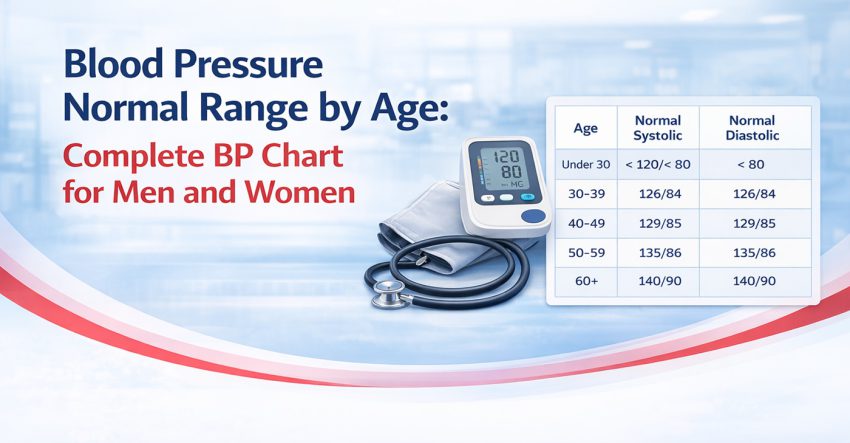
Blood pressure is one of the most important indicators of overall health. It measures the force of blood flowing through your arteries and helps determine how well your heart is functioning. Understanding the normal blood pressure range by age is essential for early detection of health issues such as hypertension or low blood pressure.
In a fast-paced city like Delhi, factors such as stress, diet, and lifestyle can significantly impact blood pressure levels. Regular monitoring and awareness of your blood pressure readings can help prevent serious complications. This guide provides a complete overview of normal blood pressure ranges, charts by age, symptoms, and when to consult a doctor.
What is Blood Pressure?
Blood pressure is the force exerted by circulating blood against the walls of the arteries. It is measured using two values: systolic pressure and diastolic pressure. Systolic pressure represents the force when the heart beats, while diastolic pressure measures the force when the heart is at rest between beats.
A normal blood pressure reading is generally expressed as systolic over diastolic (for example, 120/80 mmHg). Maintaining this balance is important for proper circulation and organ function. Any significant variation from the normal range may indicate underlying health concerns.
What is the Normal Blood Pressure Range?
The normal blood pressure range for adults is typically around 120/80 mmHg. However, it can vary depending on age, lifestyle, and overall health condition. Blood pressure that is consistently higher or lower than the normal range may require medical attention.
Understanding these categories helps individuals take preventive steps before conditions become severe. Early awareness and lifestyle changes can significantly reduce the risk of heart disease and stroke.
Blood Pressure Categories
| Category | Systolic (mmHg) | Diastolic (mmHg) |
|---|---|---|
| Normal | Less than 120 | Less than 80 |
| Elevated | 120–129 | Less than 80 |
| High BP (Stage 1) | 130–139 | 80–89 |
| High BP (Stage 2) | 140 or higher | 90 or higher |
| Low Blood Pressure | Less than 90 | Less than 60 |
These categories help doctors determine whether a person’s blood pressure is within a safe range or requires intervention.
Blood Pressure Chart by Age (Men & Women)
Understanding blood pressure variations by age helps in better monitoring and early detection of health risks. While the ideal blood pressure is around 120/80 mmHg, slight variations can occur due to age, gender, and lifestyle factors. Regular tracking of blood pressure based on age groups can help individuals take preventive measures before complications arise.
Below is a general reference chart for normal blood pressure levels by age:
| Age Group | Men (mmHg) | Women (mmHg) |
|---|---|---|
| 18–39 | 119/70 | 110/68 |
| 40–59 | 124/77 | 122/74 |
| 60+ | 133/69 | 139/68 |
It is important to note that these values are approximate and may vary from person to person. Individuals with consistently higher or lower readings should consult a healthcare professional for proper evaluation. Monitoring blood pressure regularly helps in maintaining heart health and preventing long-term complications.
Blood Pressure Normal Range by Age
Blood pressure levels may slightly increase with age due to changes in blood vessels and overall body function. However, it is important to keep levels within a healthy range to avoid complications.
Adults (18–40 years)
- Ideal BP: Around 120/80 mmHg
- Slight variations are normal depending on lifestyle and stress levels
Middle Age (41–60 years)
- Slight increase may be observed
- Regular monitoring is important to prevent hypertension
Older Adults (60+ years)
- Slightly higher BP may be acceptable
- However, extremely high levels should be controlled
Symptoms of High Blood Pressure
High blood pressure is often called a “silent condition” because it may not show obvious symptoms in the early stages. However, in some cases, individuals may experience warning signs.
- Headaches
- Dizziness
- Shortness of breath
- Chest pain
- Blurred vision
If symptoms persist, it is important to go for a heart checkup to rule out serious cardiovascular conditions.
What is a Dangerous Blood Pressure Level?
Blood pressure becomes dangerous when it goes beyond normal limits and starts affecting vital organs such as the heart, brain, and kidneys. Understanding critical levels helps in identifying when immediate medical attention is required.
- A reading above 140/90 mmHg is considered high blood pressure and may require medical management.
- A reading above 180/120 mmHg is a medical emergency and requires immediate attention.
- A reading below 90/60 mmHg is considered low blood pressure and may cause symptoms like dizziness or fainting.
Ignoring abnormal blood pressure levels can lead to serious complications such as heart attack, stroke, or kidney damage. Early detection and timely treatment are essential to prevent life-threatening conditions. If you experience symptoms like severe headache, chest pain, or blurred vision along with abnormal BP readings, seek medical help immediately.
Symptoms of Low Blood Pressure
Low blood pressure, also known as hypotension, can also affect overall health. It may lead to reduced blood flow to vital organs, causing discomfort and weakness.
- Fainting or dizziness
- Blurred vision
- Fatigue
- Nausea
- Cold or clammy skin
If symptoms persist, medical attention is necessary to identify the underlying cause.
Causes of High Blood Pressure
Several lifestyle and medical factors contribute to high blood pressure. Identifying these causes early can help in prevention and management.
- Unhealthy diet (high salt intake)
- Lack of physical activity
- Stress and anxiety
- Obesity
- Smoking and alcohol consumption
Managing these risk factors can help maintain a healthy blood pressure level.
Causes of Low Blood Pressure
Low blood pressure can occur due to various reasons, including medical conditions and lifestyle factors. Understanding the cause is essential for proper treatment.
- Dehydration
- Nutritional deficiencies
- Heart conditions
- Hormonal imbalances
- Certain medications
Proper diagnosis helps in managing the condition effectively.
How to Maintain Normal Blood Pressure
Maintaining a healthy blood pressure requires a balanced lifestyle and regular health monitoring. Simple daily habits can make a significant difference in long-term health. Regular monitoring through a full body checkup can help detect blood pressure issues early and prevent complications.
- Eat a balanced and low-sodium diet
- Exercise regularly
- Manage stress effectively
- Stay hydrated
- Avoid smoking and excessive alcohol
Following these habits can help reduce the risk of hypertension and related complications.
How to Check Blood Pressure Correctly
Accurate blood pressure measurement is essential for proper diagnosis and treatment. Incorrect measurement techniques can lead to misleading readings, which may delay necessary medical care. Following the correct steps ensures reliable results and better health management.
- Sit in a relaxed position for at least 5 minutes before checking your BP.
- Keep your arm at heart level and avoid talking during the measurement.
- Avoid caffeine, smoking, or exercise at least 30 minutes before the test.
- Use a validated digital blood pressure monitor for home readings.
It is recommended to check blood pressure at the same time each day for consistency. Keeping a record of readings can help doctors understand trends and provide appropriate treatment. Regular monitoring is especially important for individuals with hypertension, diabetes, or heart-related conditions.
When Should You See a Doctor?
Regular monitoring of blood pressure is essential, but certain signs require immediate medical attention. Ignoring these symptoms may lead to serious complications.
- Consistently high BP readings
- Sudden drop in blood pressure
- Severe headaches or chest pain
- Dizziness or fainting
consult a general physician in Delhi for proper diagnosis and treatment.
Summary
Blood pressure is a key indicator of heart health and overall well-being. Understanding the normal blood pressure range by age helps in early detection of potential health issues. Regular monitoring, a healthy lifestyle, and timely medical consultation can prevent serious complications.
Taking proactive steps today can ensure long-term health and reduce the risk of cardiovascular diseases.
Consult at SVMC Delhi
If you are experiencing abnormal blood pressure levels, visit Sadhu Vaswani Mission Medical Centre, Delhi. Experienced doctors can help diagnose your condition and provide personalized treatment for better heart health.
Also Read
- What to Eat in Fever: Best Diet Plan for Fast Recovery
- Seasonal Diseases in Delhi
- How Orthopaedic Doctors in Delhi Treat Tendonitis Effectively
- Foods to Avoid and Eat for Upset Stomach
FAQs
What is the normal blood pressure for adults?
A normal blood pressure reading for adults is typically around 120/80 mmHg.
Does blood pressure increase with age?
Yes, blood pressure may slightly increase with age, but it should still remain within a healthy range.
What are the symptoms of high blood pressure?
Common symptoms include headaches, dizziness, chest pain, and shortness of breath.
Is low blood pressure dangerous?
Low blood pressure can be harmful if it causes symptoms like fainting, dizziness, or fatigue.
How often should I check my blood pressure?
It is recommended to check blood pressure regularly, especially if you have risk factors or existing health conditions.